Are dental implants painful? Not during surgery, because the area is numbed first. Afterward, slight soreness and swelling are normal, and they are usually mild to moderate and ease within about a week. Over-the-counter pain relievers often cover it, and sedation is available if you're nervous.
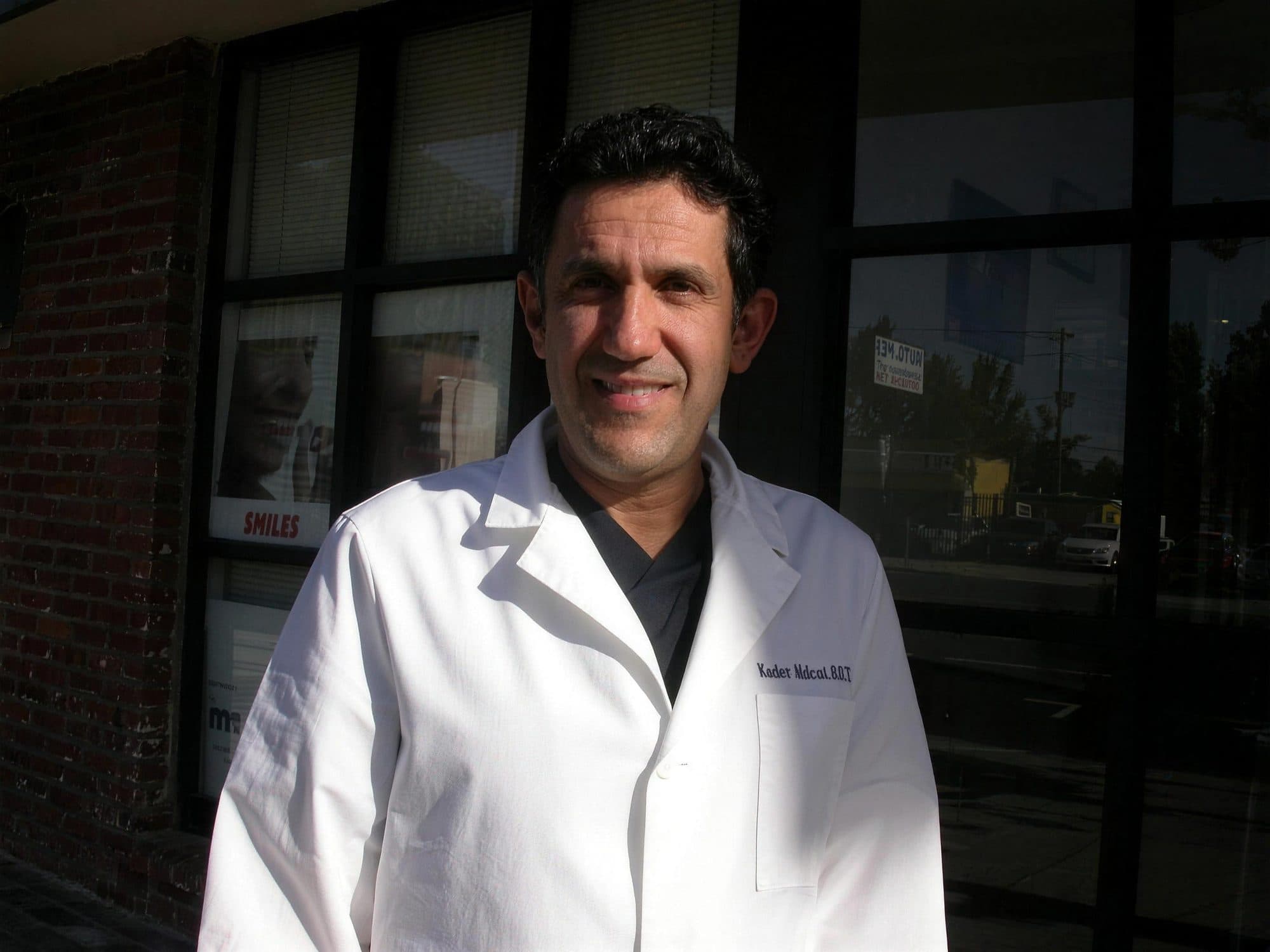
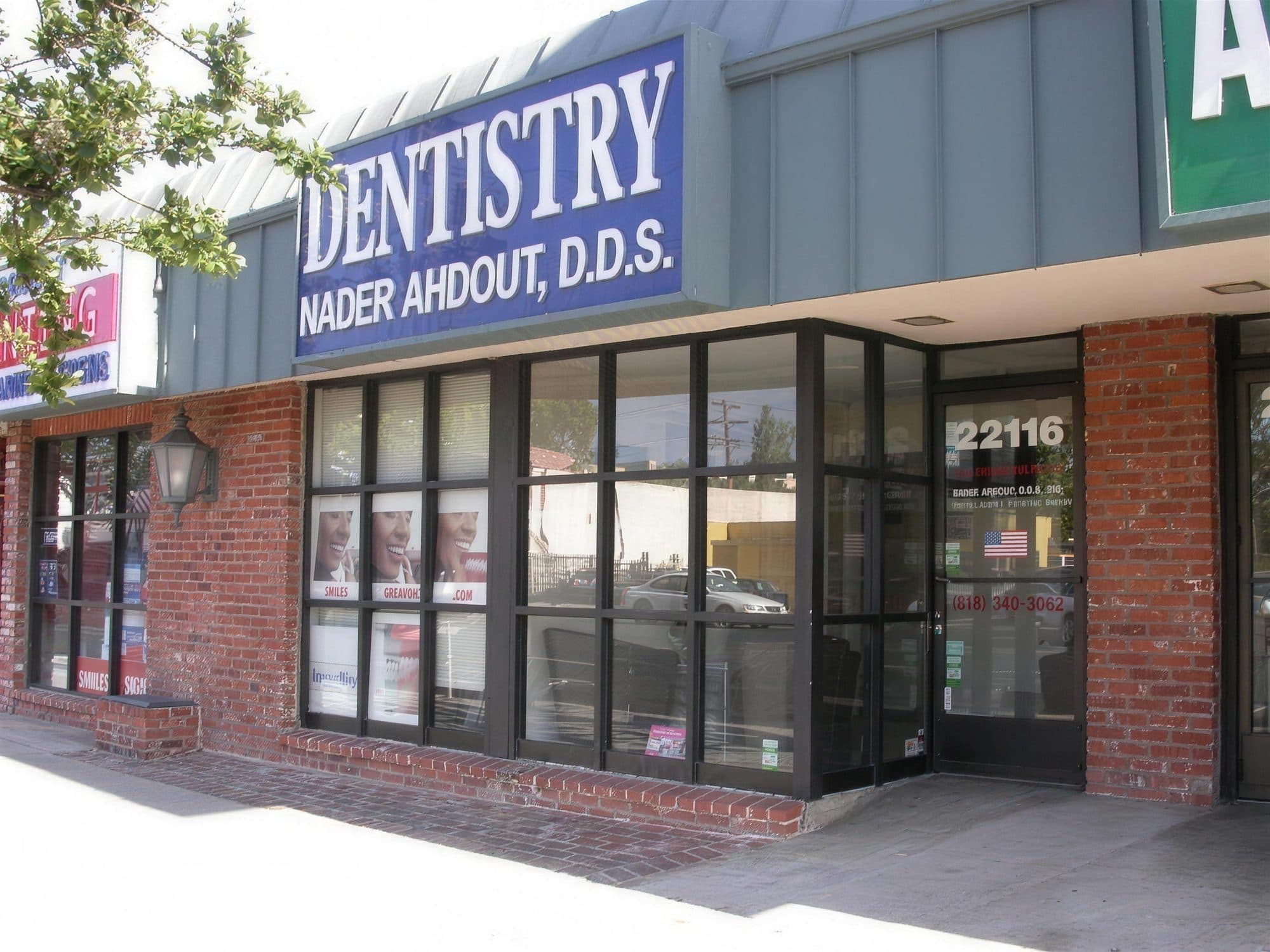
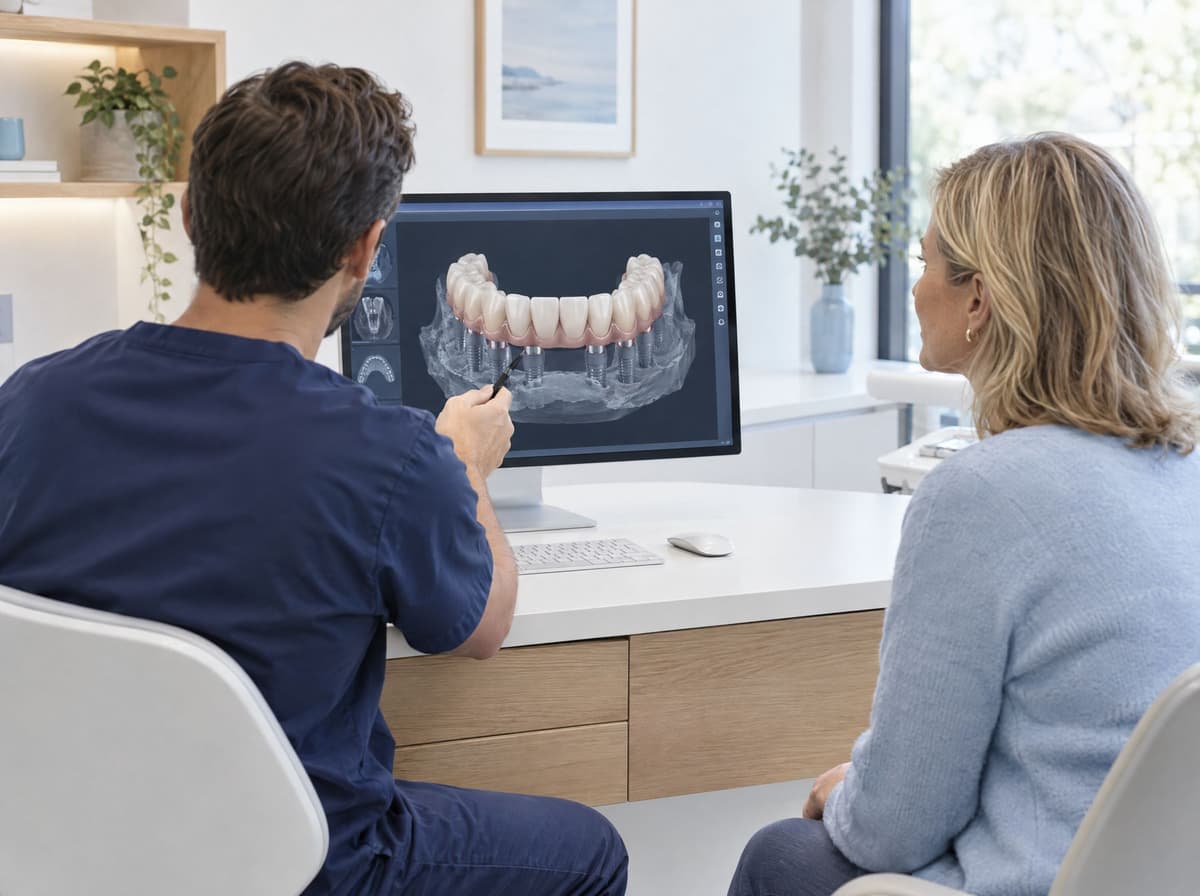
At Smiles Creator in Woodland Hills, Dr. Nader Ahdout places every implant himself and plans each one on a 3D CT scan taken in our office.
| Stage | What to expect | Comfort help |
|---|---|---|
| During surgery | Numb gums, pressure without pain | Local anesthesia, optional sedation |
| First 1 to 3 days | Soreness, swelling, some bruising | Pain relievers, cold compresses, rest |
| About 1 week | Most discomfort fading | Soft foods, gentle cleaning |
| 3 to 9 months | Bone fuses to the implant, usually no pain | Regular visits with your dentist |
Do dental implants hurt during surgery?
They shouldn't. Cleveland Clinic says you shouldn't feel any pain during implant surgery, because anesthesia numbs your gums and sedation is optional.
Numb does not mean you feel nothing at all. You may notice pressure, vibration or the sense of someone working in your mouth. If you feel anything sharp, tell your dentist right away so the area can be numbed further.

How painful are dental implants afterward?
Most people describe soreness rather than sharp pain. Cleveland Clinic says it's normal to have slight discomfort and swelling after surgery, and that over-the-counter pain relievers can help ease these symptoms.
A 2021 review in Dentistry Journal summarizing earlier studies describes pain after implant placement as mild to moderate. In one study it peaked about six hours after surgery, and swelling peaked around 48 hours. These are averages across groups of patients, so your own experience may differ.
Which pain reliever should you take?
Ask your dentist, because the right choice depends on your health and your other medicines. A systematic review of 11 randomized trials with 762 patients found that analgesics may help after implant placement, but it could not point to one clearly better choice.

How long does dental implant pain last?
The worst of it is usually in the first day or two. Cleveland Clinic says the first round of healing takes about one week, and that you should feel like yourself within a week or so.
Underneath, the bone keeps healing. The jawbone fusing to the implant is called osseointegration, and Cleveland Clinic says it can take three to nine months. This stage usually isn't felt, but it's the reason your dentist schedules follow-up visits.
The American Dental Association notes that chronic illnesses such as diabetes may interfere with healing, and that using tobacco can slow it. If either applies to you, tell your dentist before surgery. It's a normal part of planning.
What makes recovery easier or harder?
What else happens at the same visit matters. The Dentistry Journal review notes that implants placed with guided bone regeneration, a bone graft at the implant site, were linked to more swelling and bruising than straightforward implants, which healed much like simple extractions. If you need a graft, it's part of the plan you see on your scan. Our post on bone grafts for dental implants explains when one is needed.
Eating gently helps too. The American Dental Association says your dentist may recommend soft foods, cold foods and warm soup while you heal. Ask your dentist for the aftercare steps that fit your case.
Is an implant more painful than pulling a tooth?
Usually not. The Dentistry Journal review found that patients reported less pain after implant surgery than after extraction in crossover and cross-sectional studies, and concluded that implant placement is less unpleasant than tooth extraction. It linked the higher extraction pain largely to teeth that were already inflamed or sore.
If you need a tooth removed before an implant, our tooth extraction page explains what that visit involves.

Are full mouth and single tooth implants painful in the same way?
The comfort steps are the same: numbing first, with sedation available. A single implant is a smaller procedure, and a full arch plan such as All-on-4 and All-on-X involves more implants, so we talk through what to expect before you decide.
With All-on-X you leave with temporary teeth the same day as surgery. A single implant does not get same-day teeth, so ask at your consultation what to expect for that space while the implant heals.
When should you call your dentist after implant surgery?
Call if something doesn't feel like normal healing. Cleveland Clinic lists a loose or wobbly implant, bleeding gums, fever, pus around the implant and swollen gums among the signs to call about.
- Pain that gets worse after the first few days instead of easing
- Pain that medicine doesn't help
- Fever, pus or a bad taste near the implant
- An implant that feels loose
How we keep implant treatment comfortable at Smiles Creator
Every implant starts with a free consultation and a 3D CT scan in our office, so Dr. Ahdout can show you the plan and answer your questions about comfort before anything begins. He places every implant himself.
If you're nervous, nitrous oxide and oral sedation are available, and he has provided sedation dentistry for more than 23 years. All-on-X starts from $12,995 per arch, including a complete examination with a 3D CT scan, four dental implants and fixed acrylic teeth. Financing through CareCredit, Cherry and Sunbit is available, subject to approval.
Your next step
If pain is what's holding you back, bring that question to a consultation, where you can ask whatever is on your mind. Read about dental implants at Smiles Creator and book your free implant consultation, or call (818) 340-3062. You can also see how long dental implants last and our sedation dentistry options.