
Root canal treatment in Woodland Hills
Treatment that stops the pain and saves your natural tooth.

Relief that saves your tooth
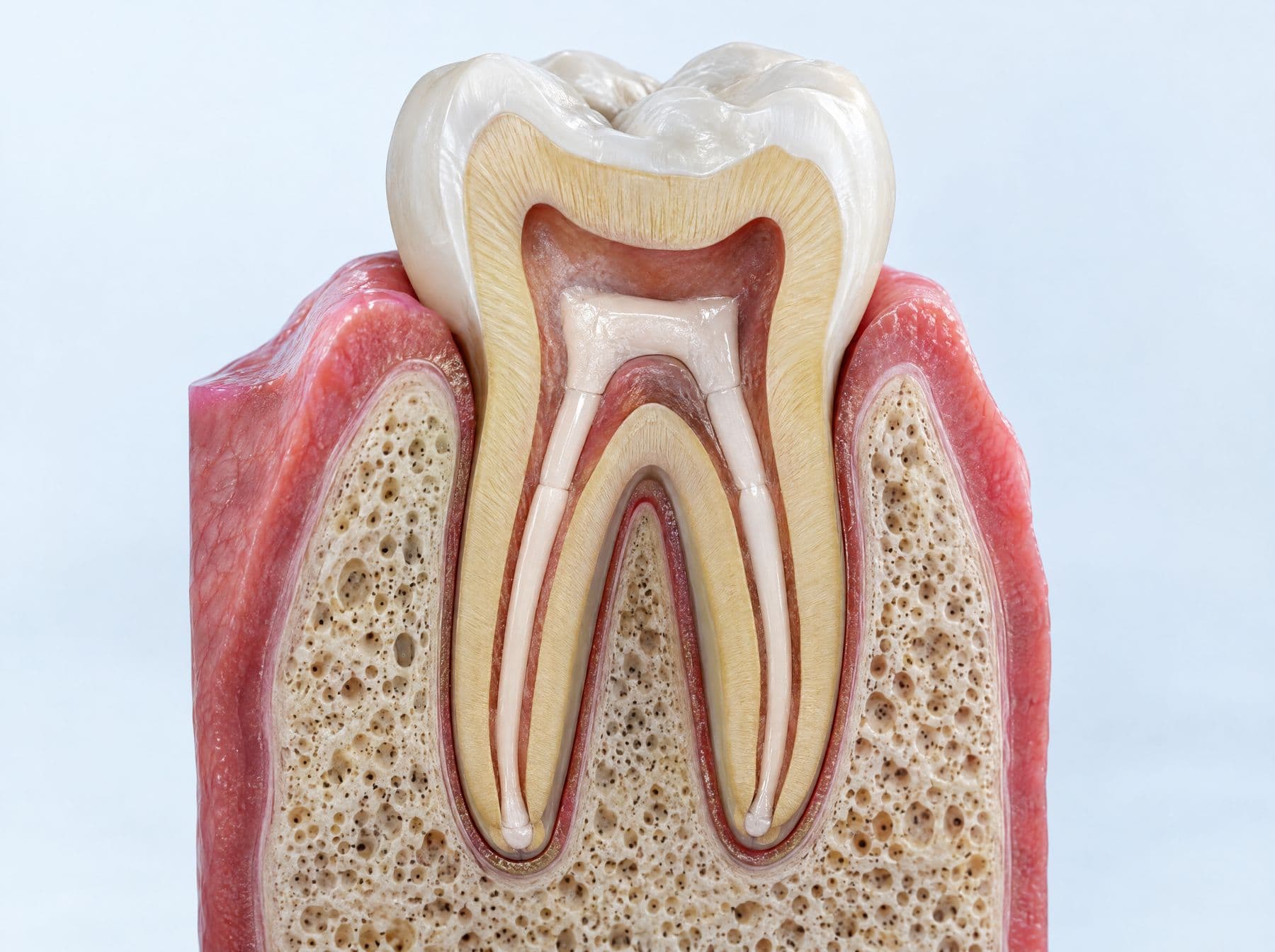
Inside every tooth is soft tissue called the pulp, which holds the tooth's nerve and blood supply. When deep decay, a crack or an injury lets bacteria reach the pulp, it can become inflamed or infected, and that's often what causes a bad toothache.
Root canal treatment removes the infected pulp, cleans and seals the inside of the tooth, and stops the pain. You keep your natural tooth, which is almost always better than losing it.
More general dentistryWhat happens during a root canal
- 1
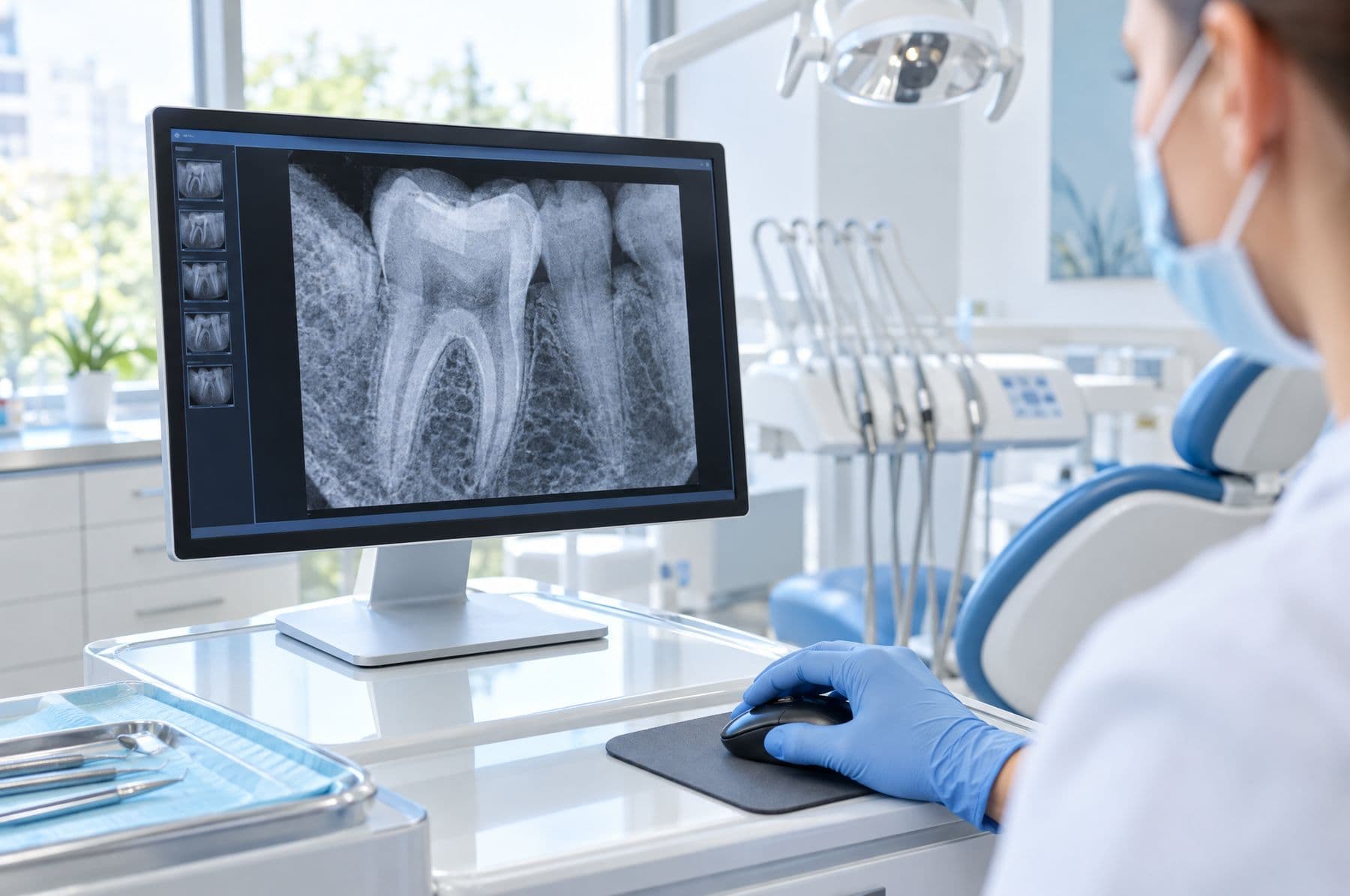
Exam and X-rays
We find the source of the pain and check the tooth's roots and the bone around them.
- 2
Numbing
The tooth and the area around it are fully numbed, so treatment feels much like getting a filling.
- 3
Clearing the infection
Through a small opening, the infected pulp is removed and the inside of the tooth is cleaned and shaped.
- 4
Sealing the tooth
The root canals are filled and sealed to keep bacteria out, and a filling closes the opening.
- 5
Protecting it with a crown
Most back teeth need a crown afterward to protect them from cracking.
Signs you might need a root canal
Only an exam and X-rays can tell for sure, but call us if you notice any of these.
- Tooth pain that's severe, lingers or wakes you up
- Sensitivity to hot or cold that lasts after the food or drink is gone
- Pain when you bite or chew
- Swelling or tenderness in the gums near a tooth
- A pimple-like bump on the gums
- A tooth that has darkened
Root canal vs. extraction
Saving the tooth is usually the better choice. Here's why.
Swipe the table to compare
| Compare | Root canal | Extraction |
|---|---|---|
| What happens | The infection is removed and your tooth is saved | The tooth is removed |
| Your natural tooth | Kept | Lost |
| Afterward | Usually a crown to protect the tooth | A gap, best filled with an implant, bridge or denture |
| Overall cost | Often less than removing and replacing the tooth | Less at first, but replacing the tooth adds to it |
Source: ADA MouthHealthy: Root Canals
In a patient’s words
“I recently had a root canal followed by a filling done by Dr. Ahdout, and I can honestly say he is one of the best dentists I have ever been to…”
Arash J., Google review
No surprises, even when it hurts
Before treatment, you'll know the cost of your root canal and any crown it needs. Dental insurance often covers part of root canal treatment, so we'll check your plan and explain what's covered.
Call (818) 340-3062Root Canal Treatment FAQs
A root canal shouldn't hurt more than a filling, because the tooth is fully numbed first. Most people find it relieves the pain they came in with. Some tenderness for a few days afterward is normal.
Signs you may need a root canal include severe or lingering tooth pain, sensitivity to hot or cold that lasts, pain when chewing, and swollen gums near a tooth. Only an exam and X-rays can confirm it, so call us.
A root canal usually takes one or two visits of an hour or more each, depending on the tooth and how many roots it has. Back teeth have more roots and take longer.
After a root canal, the tooth may feel tender for a few days, and most people are back to normal the next day. Most back teeth then need a dental crown, since a treated tooth can become brittle.
Saving your natural tooth with a root canal is usually the better choice. A pulled tooth leaves a gap that should be filled with an implant, bridge or denture to stop nearby teeth shifting, which takes more time and costs more.
If a tooth is badly infected or very painful, call us as a dental emergency. We'll see you as soon as we can and start root canal treatment to stop the pain, often at the first visit.
If an infected tooth doesn't get a root canal, the infection won't heal on its own. It can spread into the bone around the tooth and cause an abscess, swelling and more pain, and the tooth may eventually need to be pulled, as the ADA explains. Pain that fades doesn't always mean the problem is gone, so it's worth an exam.
The cost of a root canal depends on which tooth needs it, since back teeth have more roots, and on whether it needs a crown afterward. Insurance often covers part. You'll get a clear price before treatment.
Smiles created here
Read more on Google“I had a very positive experience with Dr. Nader. The office was clean and well organized, and the staff were courteous and helpful from the moment I walked in.”
“I've been going to this practice for my dental needs for a long time, and I fully intend to keep coming back. The care and consistency here have always been excellent.”
“I had a great experience with Dr. Ahdout and his team. From the initial appointment to X-rays, deep cleaning, and my follow-up visit, everything was handled professionally and with care.”
“Dr. Ahdout and his team are truly excellent at what they do. From start to finish, their communication is clear, timely, and professional…”
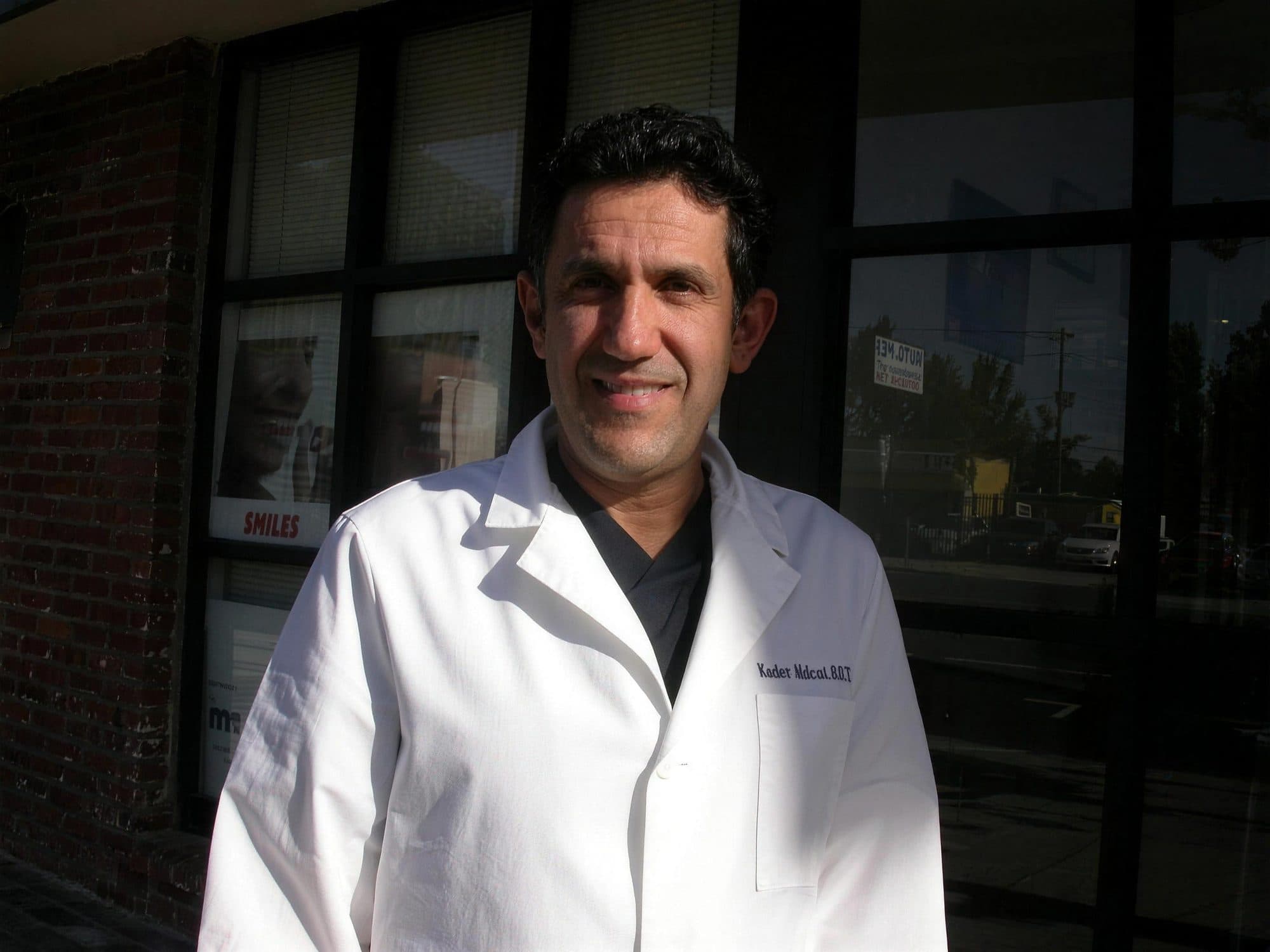
Book a visit with Dr. Ahdout
Call or book online, and we'll find a time that works for you.
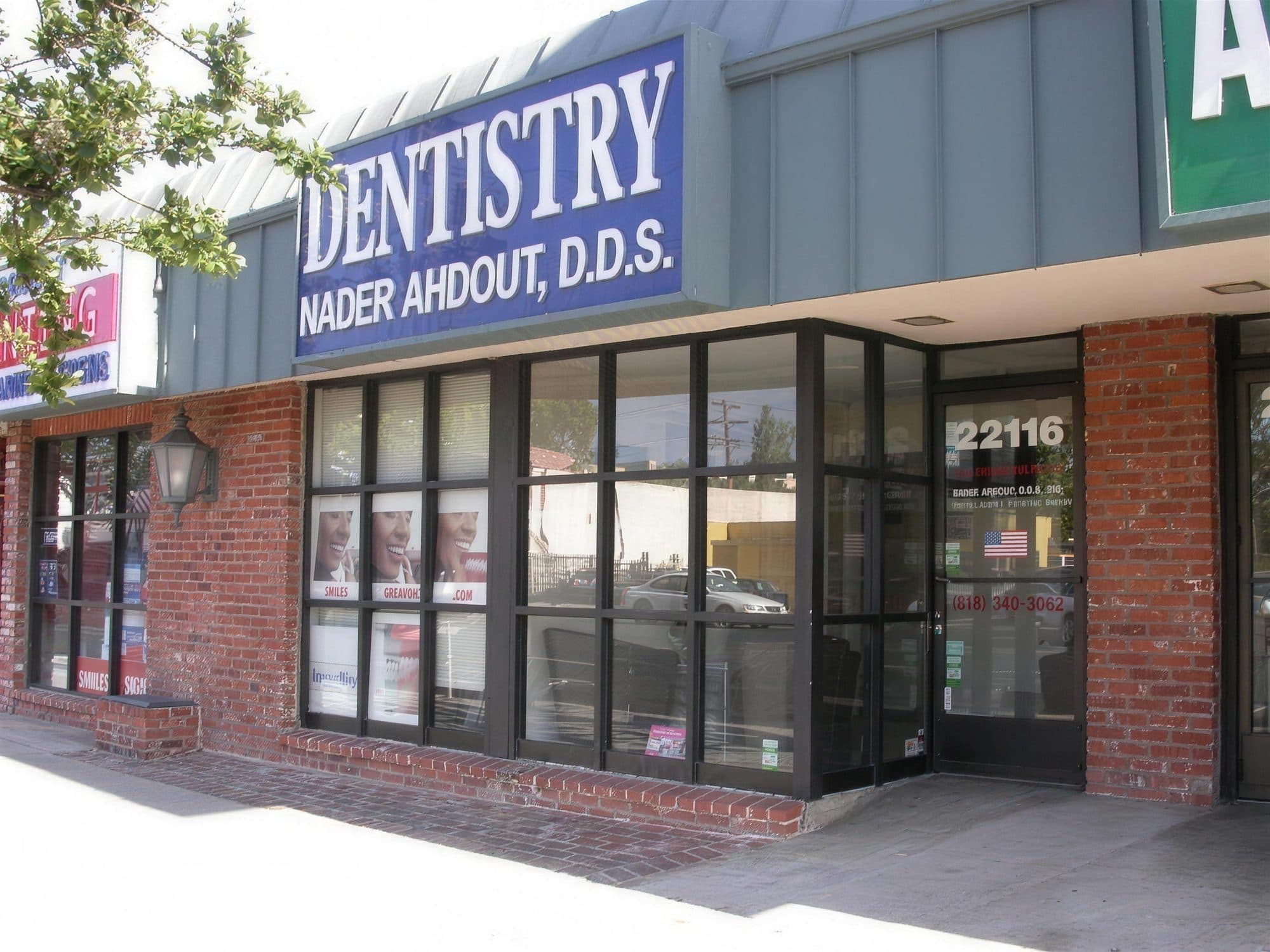
Visit our dental office on Ventura Boulevard
Our office is at 22116 Ventura Boulevard in Woodland Hills, close to Calabasas, Tarzana and West Hills.
Hours
- Monday: 9am–6pm
- Tuesday: 9am–6pm
- Wednesday: 9am–6pm
- Thursday: 9am–6pm
- Friday: 9am–1:30pm
- Saturday: Closed
- Sunday: Closed