Dental implants for seniors work well, and age alone is not a reason to rule them out. A 2017 review of patients aged 65 and older found that 96.2 percent of implants were still in place after five years. What matters more is your health, your jawbone and the medicines you take.
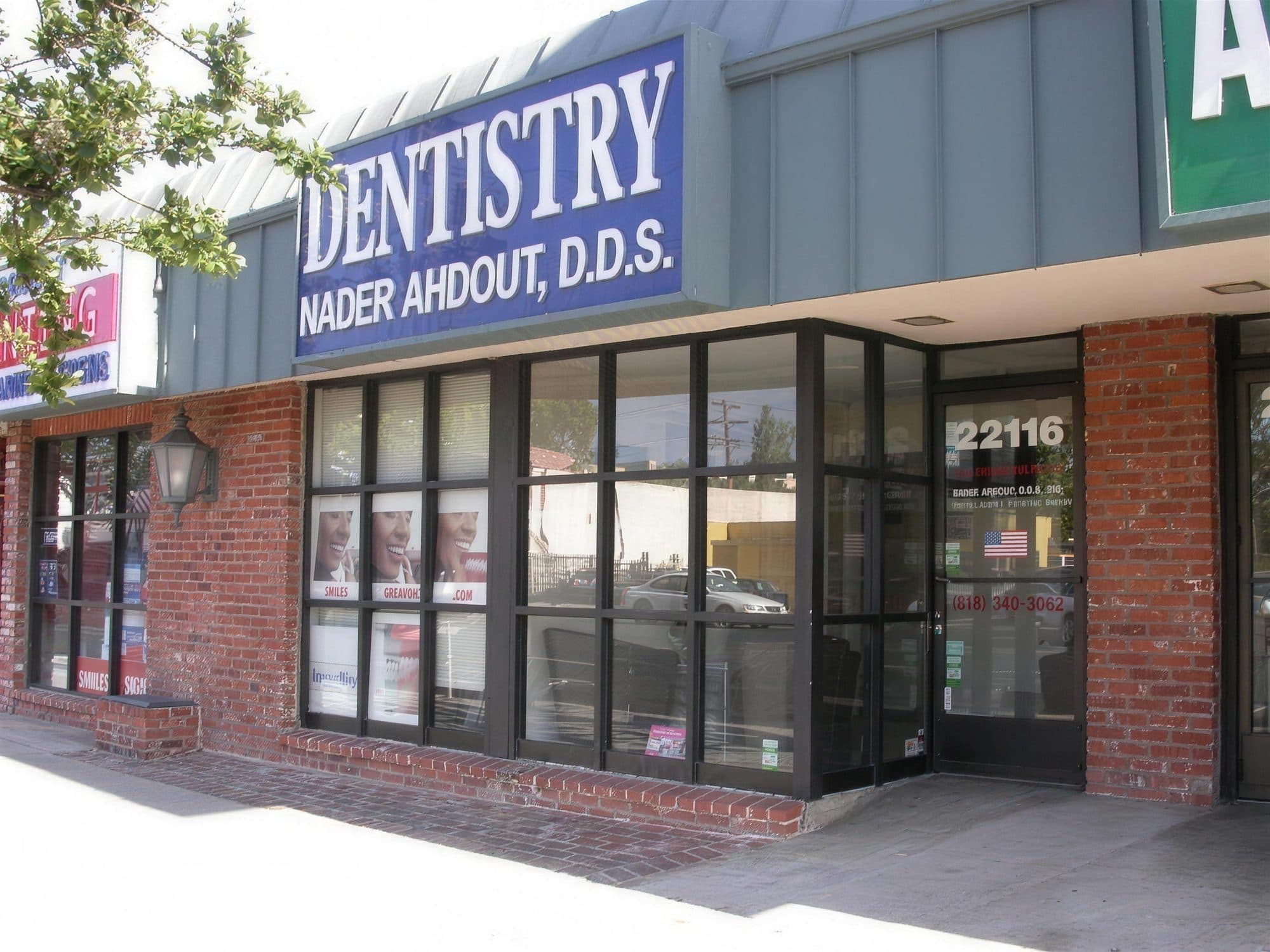
At Smiles Creator in Woodland Hills, Dr. Nader Ahdout places every implant himself and plans each one on a 3D CT scan taken in our office, so you know exactly what your bone allows before you decide anything.
| Option | Often suits | Good to know |
|---|---|---|
| Single implant | One or a few missing teeth | Neighbouring teeth stay untouched |
| Implant-supported denture | Denture wearers tired of slipping | Snaps onto implants, comes out to clean |
| All-on-4 or All-on-X | Most or all teeth missing or failing | Fixed teeth, temporaries the same day |
Is there an age limit for dental implants?
No. There is no upper age limit for dental implants. A systematic review in Clinical Oral Implants Research pooled studies of patients aged 65 and over and found implant survival of 97.7 percent after one year, 96.2 percent after five years and 91.2 percent after ten. The authors concluded that age alone should not limit implant treatment.
The American Dental Association makes the same point from the other direction: your overall health matters more than your age, and your physician may be asked to weigh in before surgery.
Are dental implants worth it for seniors?
For many older adults, yes, because missing teeth are common later in life and they change how you eat. The CDC reports that more than 1 in 7 adults aged 65 or older have lost all their teeth, and a quarter have 8 or fewer.
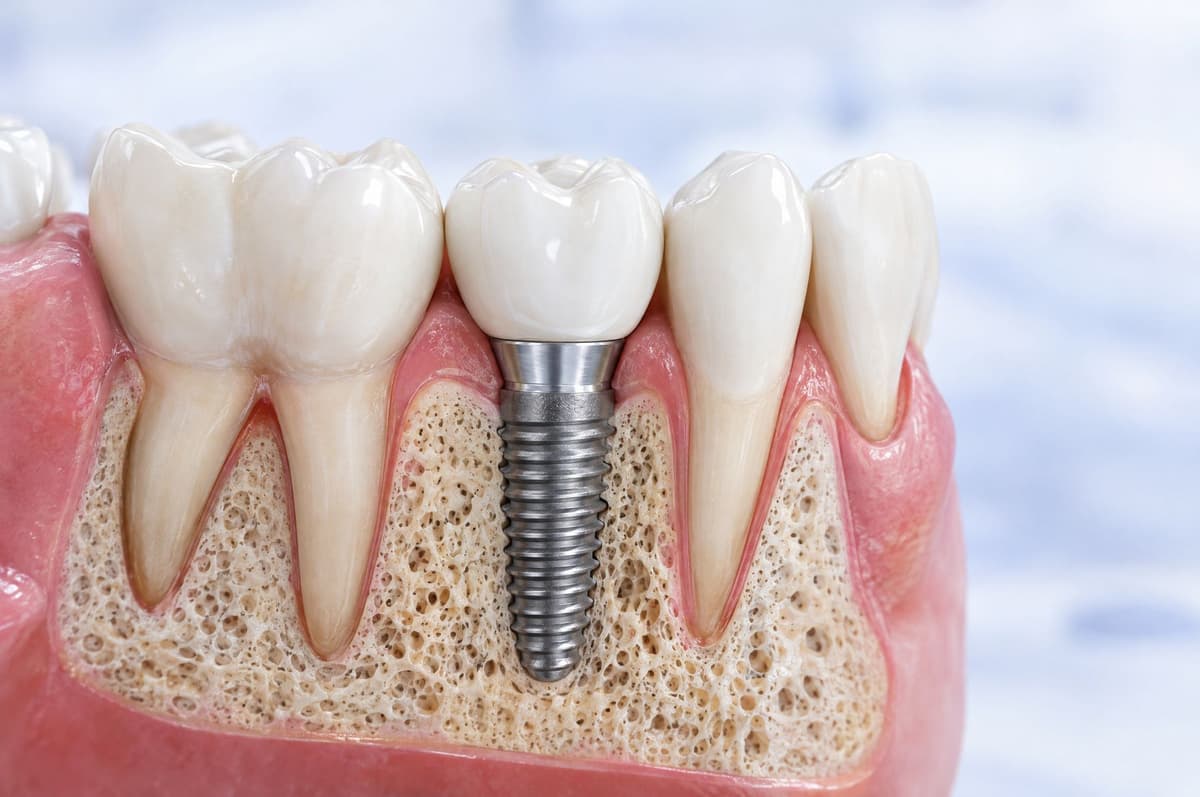
Implants are anchored in the jawbone, so they don't slip when you bite into an apple or a piece of steak. They also don't rely on the teeth next to them, the way a bridge does. Whether they're worth it for you depends on how long you expect to keep them, how much a loose denture bothers you now, and what your scan shows about your bone. That's a conversation, not a sales pitch, and we're happy to have it.
Who is not a candidate for dental implants?
Very few people are ruled out for good, but some health conditions need attention first. The ADA notes that chronic illnesses such as diabetes and habits such as smoking can slow healing, and patients with those issues may not be good candidates until they're under control.
These are the things we ask about at a consultation:
- Blood sugar. Diabetes that's well managed is usually not a barrier. Uncontrolled diabetes slows healing.
- Smoking. Tobacco slows healing, so it's worth talking about before surgery.
- Bone density and bone medicines. Many older adults take bisphosphonates for osteoporosis. A 2018 systematic review found that implants can be considered safe with tablet forms of these medicines when care before and after surgery is good, while the intravenous form calls for more caution.
- How much jawbone is left. Bone shrinks after teeth are lost, especially after years of wearing a denture. The 3D scan shows whether there's enough, or whether a bone graft or a different plan makes more sense.
Bring a list of every medicine and supplement you take. It's the most useful thing you can bring to a first visit.
Which implant option fits older adults best?
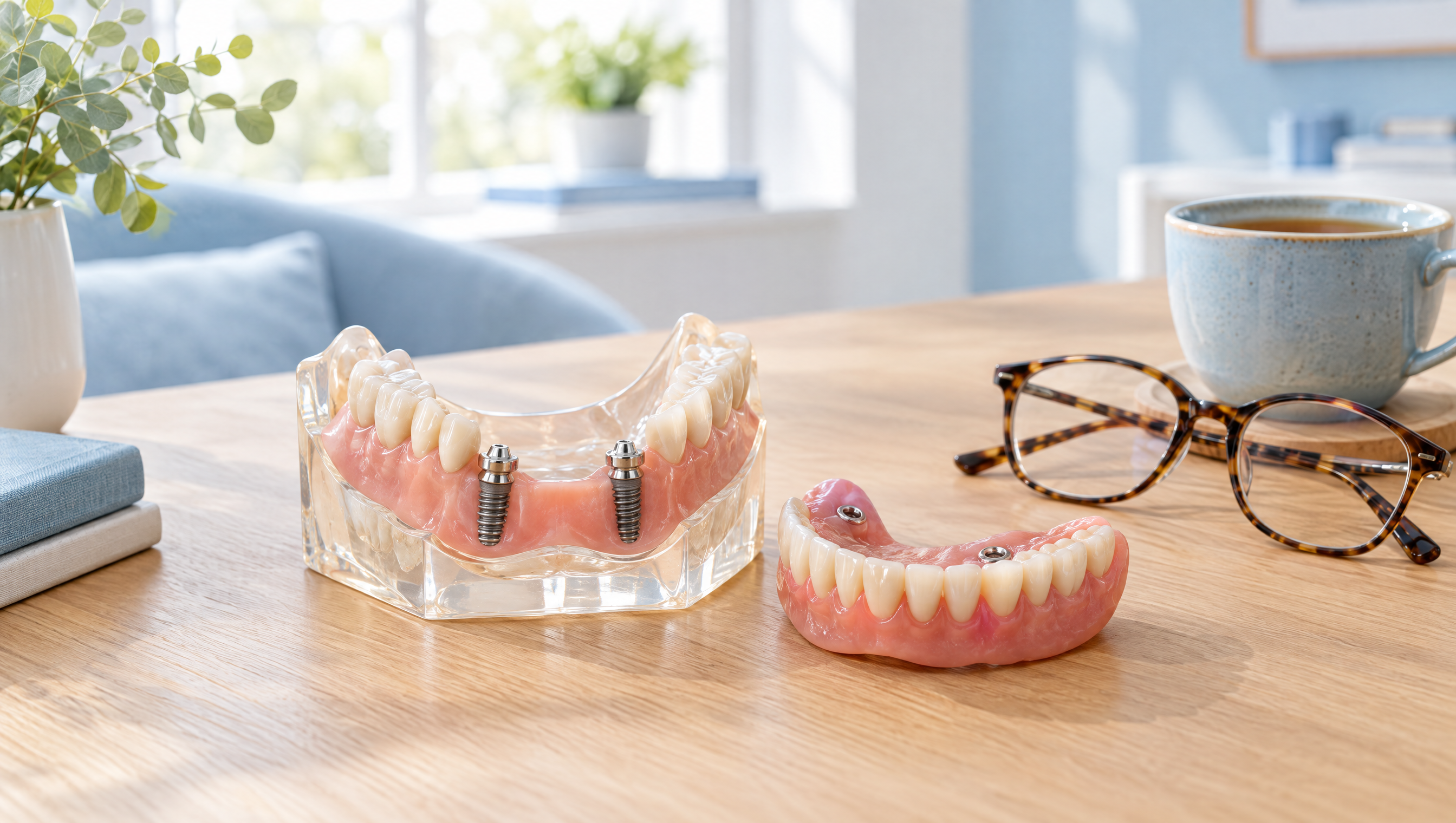
It depends on how many teeth you're missing and what you want day to day. If you're missing one or two teeth, single dental implants replace them one by one. If you already wear a full denture and it slips, a few implants can hold it firmly in place while still letting you take it out to clean.
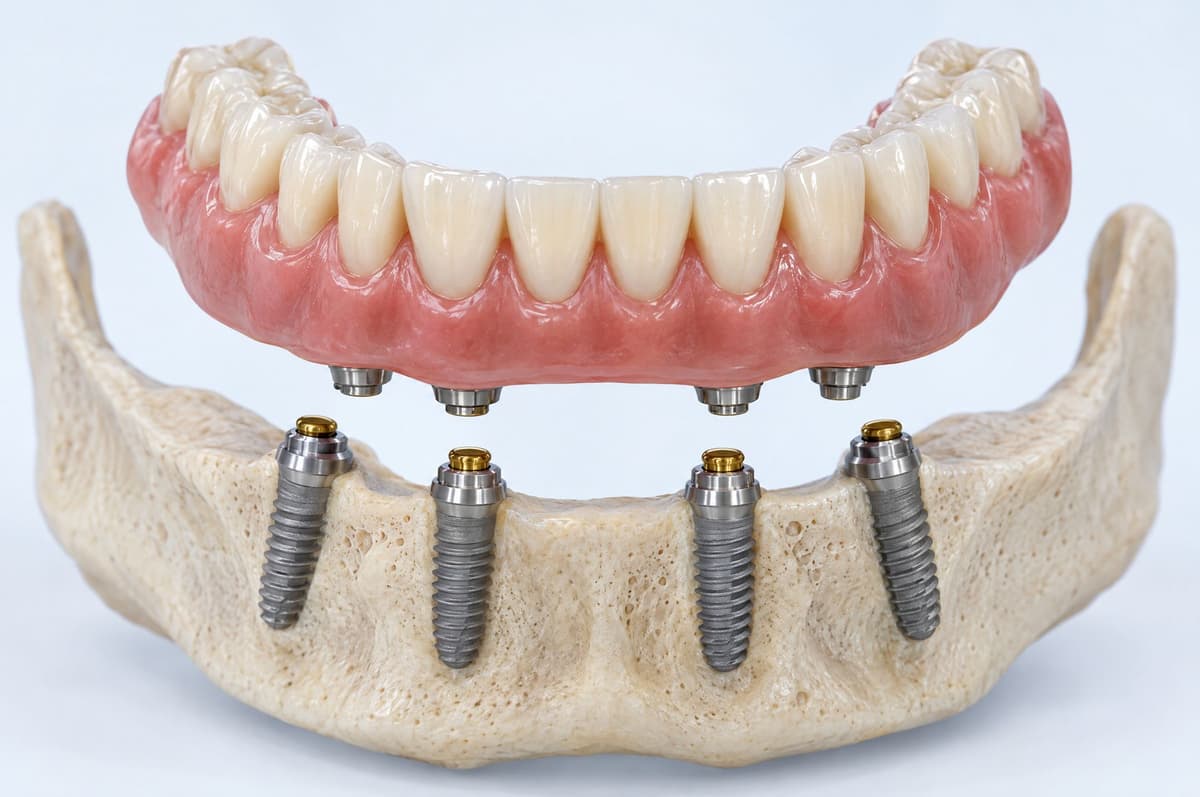
If most of your teeth are missing or failing, All-on-4 and All-on-X hold a whole row of fixed teeth on four to six implants. You leave with temporary teeth the same day as surgery, and the final teeth are zirconia. Our dentures page explains the removable options in more detail.
What should older adults tell their dentist about medicines?
Everything, including over-the-counter pills and supplements. Some medicines affect healing, and others affect your mouth in quieter ways. The National Institute of Dental and Craniofacial Research says dry mouth is not a normal part of aging, and that hundreds of medicines, including common ones for blood pressure, depression and bladder control, can reduce saliva.
Saliva protects your gums and the teeth you still have. If your mouth is often dry, tell us. It doesn't usually stop implant treatment, but it changes how we plan your care and what we recommend at home. Never stop or change a prescription on your own; we'll work with your doctor if anything needs adjusting.
What is the implant process like for seniors?
It happens over a few months, with a handful of visits rather than one long ordeal:
- A free consultation and 3D CT scan to see your bone and talk through options.
- A written plan and estimate, so you and your family know the steps and the cost.
- Surgery day, with the area fully numbed. Dr. Ahdout places the implants himself.
- Healing while the implants join the bone, usually a few months.
- Your final teeth, fitted once healing is complete.
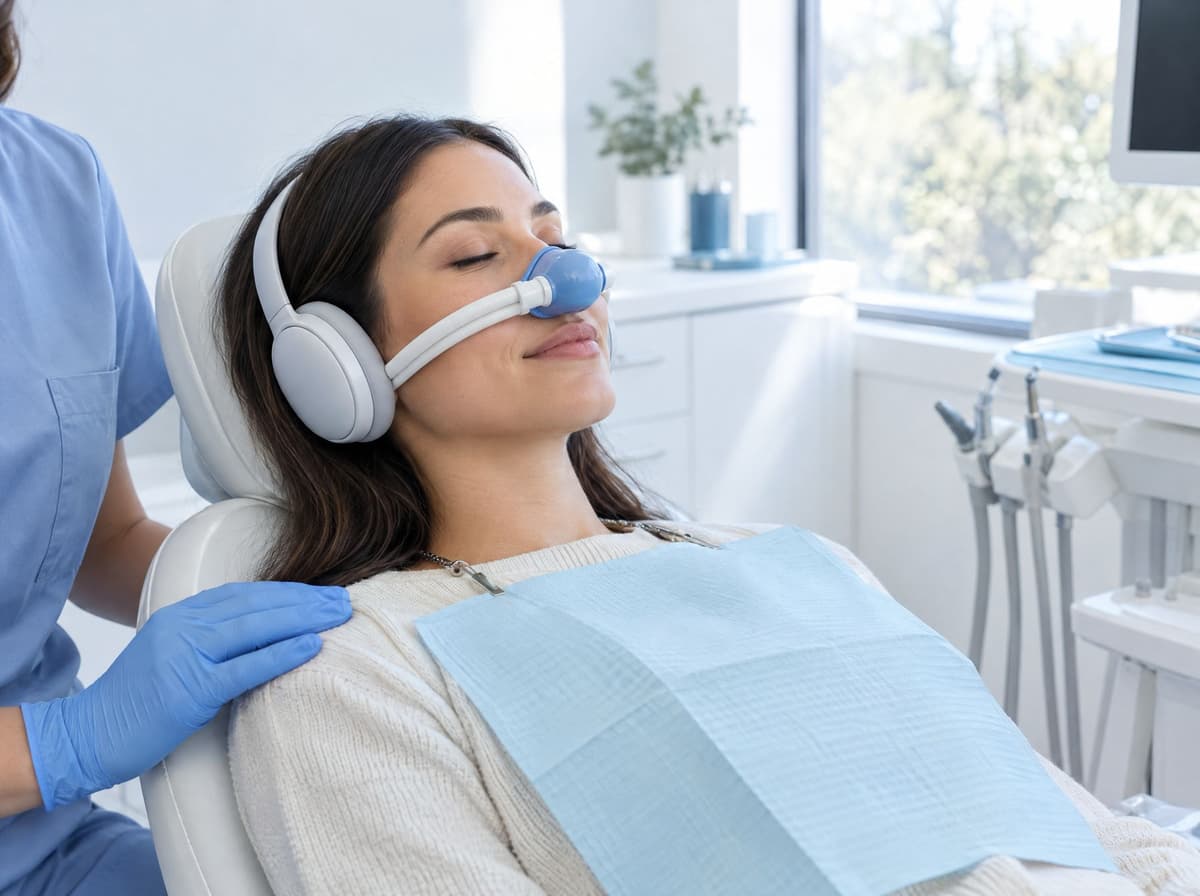
If you feel nervous, sedation options such as nitrous oxide or oral sedation can help. If you choose oral sedation, plan for someone to drive you home. Bringing a family member to the consultation can make it easier to remember the details and ask questions.
How do you care for dental implants if your hands are stiff?
Implants can't get cavities, but the gums around them still need cleaning every day, just like around natural teeth. If arthritis makes small movements hard, a few tools help:
- A toothbrush with a thick, easy-grip handle, or an electric toothbrush
- Small interdental brushes in place of string floss
- A water flosser for cleaning under a fixed bridge or around implant posts
Regular checkups let us clean the spots that are hard to reach at home and catch problems early.

Does Medicare cover dental implants for seniors?
Original Medicare usually does not. Medicare.gov says that in most cases it doesn't cover dental services or items like dentures and implants. Some Medicare Advantage plans include dental benefits, so call your plan and ask what it covers for implants specifically.
We check your plan's benefits before treatment and accept most PPO plans, HMO plans and Medi-Cal (Denti-Cal). Payment plans through CareCredit, Cherry and Sunbit, subject to approval, can spread the cost. For full-arch treatment, our guide to full mouth dental implants cost explains what changes the price.
Dental implants for seniors at Smiles Creator
Dr. Nader Ahdout has been a California dentist since graduating from the USC School of Dentistry in 1993. He places every implant himself, plans each one on a 3D CT scan in our office, and has provided sedation dentistry for more than 23 years. All-on-X starts at $12,995, and implant consultations are free.
Dr. Ahdout speaks English, Spanish and Farsi, and our team speaks English and Spanish, so you and your family can talk it through in the language you're most comfortable with.
Your next step
The only way to know what's right for your mouth is a scan and an honest conversation. Book a free implant consultation or call (818) 340-3062, and read more about dental implants in Woodland Hills before your visit.